
Mazzaltov World News provides you with the latest live coverage of Current Affairs, Sports, Health, Weather, Entertainment, Business and Travel News from around the world.
Here’s where things stand on Thursday 17 July 2025:
- The voting age will be lowered to 16 for all elections across the UK in time for the next general election, the government has confirmed
- Labour’s election manifesto last year pledged to lower the voting age to 16 – in line with Scottish and Welsh elections
- Keir Starmer says 16 and 17-year-olds are “old enough to go out to work, they are old enough to pay taxes”
- But the Conservatives question why 16-year-olds will be able to vote but not “marry, go to war, or even stand in elections”. Reform are against lowering the voting age – but the Lib Dems say it’s a “no-brainer”
- In other changes, people will also be able to use bank cards as voter ID
‘Opportunity for us to have more of a say in our future’
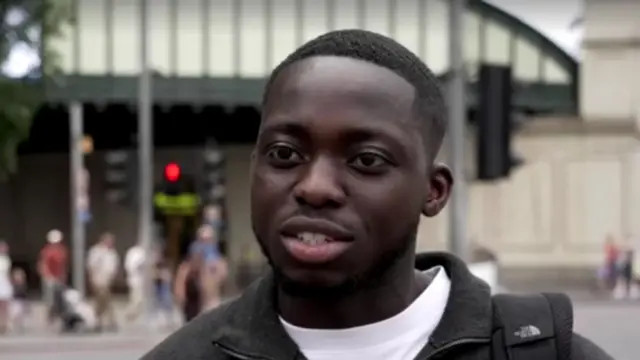
We’ve been hearing from some young people who have been speaking to the Reuters news agency.
“I think it’s a really good thing” 23-year-old business consultant Leo Lardi tells Reuters, as the move gives the younger generation “an opinion and a vote on a lot of the issues that are facing the UK today”.
He says if he had the chance it would’ve made him think more about the issues that affect him.
“The future really affects those who are younger than us,” he adds.
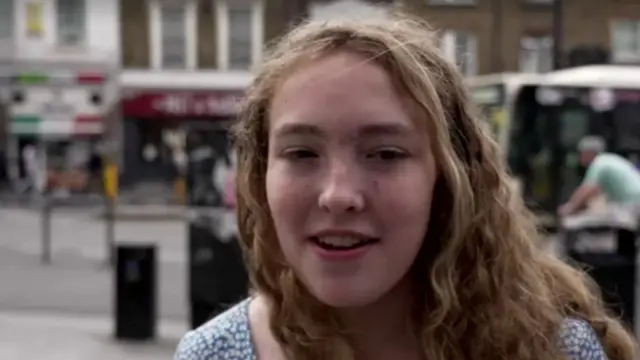
Student Hannah McCullagh, 20, says it’s a “good opportunity for us to have more of a say in our future”.
“At the end of the day we decide who we vote in,” and they make the decisions that will affect young people through healthcare, jobs and education, she explains.
Mayor of London approves, but other political figures unimpressed
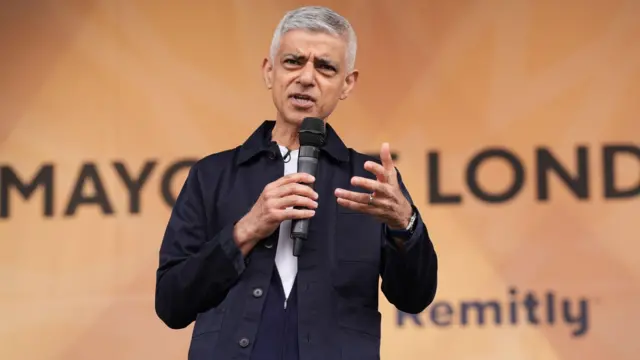
There’s ringing endorsement for today’s proposals from the Mayor of London, Sir Sadiq Khan.
In a social media post he says lowering the minimum age to 16 is “long overdue”, adding that “young people deserve a greater say in their future”.
Ex-Conservative MP Simon Clarke, who was previously a cabinet member, doesn’t agree.
He shares a chart from think tank More in Common, which suggests that the public opposes the idea of lowering the voting age.
As a result, Clarke calls the proposals “shameless gerrymandering”, and asks: “If we don’t think 16 is the age of adult maturity, why is the Government doing this?”
Conservative MP James Cleverly has also responded, saying “the cynicism is breathtaking”.
He observes that the plans to lower the minimum voting age were “dropped from the King’s Speech” and suggests they were only announced now that the Labour government is “tanking in the polls”.
Other countries that allow 16 and 17-year-olds to vote
Several other countries around the world allow 16 and 17-year-olds to vote in all elections, while some others allow them to vote in specific circumstances.
According to Unicef, external, countries and territories where young people aged 16 and/or 17 are allowed to vote in all elections include:
- Argentina
- Austria
- Brazil
- Cuba
- Ecuador
- Guernsey
- Greece
- Indonesia
- Isle of Man
- Jersey
- Nicaragua
- North Korea
- Timor-Leste
Some countries and territories, such as Estonia, Germany, Israel, Puerto Rico, Scotland, and Wales allow 16 and 17-year-olds to vote in at least some elections, such as local or state elections.
Young people aged 16 in Belgium, Austria, Germany and Malta, and those aged 17 in Greece are allowed to vote in European elections.
In the US, 17-year-olds can vote in the presidential or congressional primaries or party caucuses in some states if they turn 18 before the general election.
When is the next general election?
The new rules mean that 16 and 17-year-olds can now vote in general elections, starting from the next one.
That is due to be held by August 2029 at the latest, as the maximum term for parliament is five years from when it first formed.
But the prime minister does have the option of calling one early if they choose to.
‘Landmark moment for democracy’ – National Union of Students
The National Union of Students (NUS) has welcomed today’s announcement to lower the voting age, describing it as a “landmark moment for democracy”.
Vice President Further Education at NUS UK, Qasim Hussain, says the decision has been achieved “by the tireless campaigning of generations of 16 and 17-year-olds who missed out on their chance to have a say in major democratic moments in the UK”.
“The young people who have been empowered today pay taxes if they work and are significantly impacted by political decisions on education, the minimum wage, climate and more. They will now have a say on these issues and how their taxes are spent,” Hussain says.
Labour policy ‘hopelessly confused’ – shadow minister
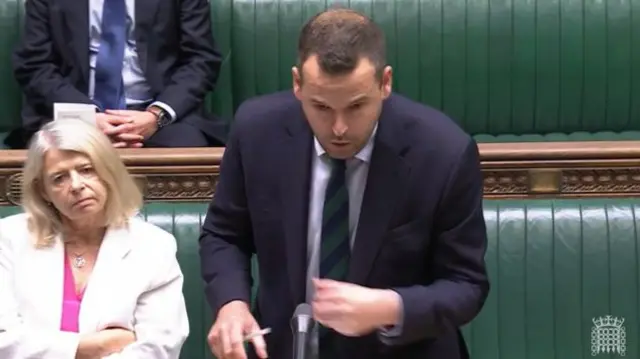
We can now bring you more comments from Conservative shadow minister for Housing Paul Holmes reacting to today’s announcement.
Speaking in the Commons, he says the government’s position on the voting age was “hopelessly confused”.
“Why does this government think a 16-year-old can vote but not be allowed to buy a lottery ticket, an alcoholic drink, marry, or go to war, or even stand in the elections they’re voting in?” he asks.
He also suggests that allowing bank cards as voter ID could “undermine the security of the ballot box”.
Voting age plan was in Labour manifesto – but not in first King’s Speech
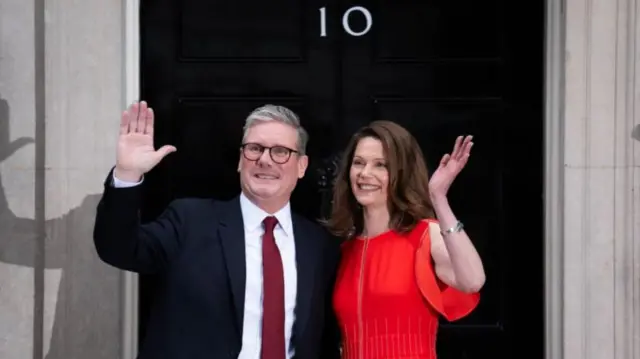
Labour’s manifesto for the 2024 general election pledged to give “16 and 17-year-olds the right to vote in all elections”.
Of course, Labour won that election – but there was some doubt the commitment would be fulfilled when the changes weren’t included in the 2024 King’s Speech, which outlined the government’s early priorities.
Pressed on why lowering the voting age wasn’t in the speech, minister Lucy Powell said at the time there were “plenty of big bills that didn’t make it”.
She stressed it remained a manifesto commitment – and now the government says “an elections and democracy bill during this Parliament” will deliver the changes before the next general election.
‘Reforms open the door for millions more to get involved in elections,’ Electoral Commission
The CEO of the Electoral Commission has hailed the reforms which will “improve the resilience and integrity of our electoral system”.
Vijay Rangarajan adds: “Registration reform would open the door for millions more to get involved in elections, and the proposed changes to the political finance rules would strengthen the checks on money coming into UK politics and ensure a more proportionate and effective enforcement regime.
“We are ready to work with the electoral community to build understanding and compliance with any new requirements, and to support voters with information and education resources.”
At a glance: Four key changes proposed by the government – including bank cards as ID
We have been poring over the details of what is in today’s government announcement.
Here are the key takeaways:
- Voting age: Around 1.5 million 16 and 17-year-olds will be eligible to vote at the next general election
- Expansion of acceptable IDs: UK-issued bank cards will become legitimate forms of voter ID in Great Britain, providing the bank card displays the elector’s name
- Improving postal votes: The government is proposing a change to the deadline in Great Britain to apply for a postal vote, from 11 to 14 working days before a poll. This will align with the existing deadline in Northern Ireland. The idea is to get an “improved likelihood” of people getting their ballot in good time
- Changes to party donations: To tackle foreign interference, the government says it plans to tighten rules on political donations including on checks on contributions over £500 from unincorporated associations and closing loopholes used by shell companies
‘It’s only right’ to give 16-year-olds right to vote, Rayner says
Deputy Prime Minister Angela Rayner says they are “delivering on our promise” on the lower voting age.
“Young people already contribute to society by working, paying taxes and serving in the military,” she writes in a post on X.
“It’s only right they can have a say on the issues that affect them.”
Lib Dems welcome proposals but fear ‘Elon Musk-shaped hole’ in plans
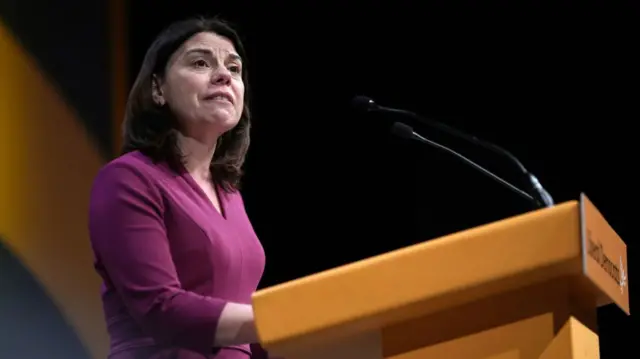
We’ve some reaction to bring you from the Liberal Democrats, who say changing the minimum voting age to 16 is a “no-brainer”.
MP Sarah Olney says her party has campaigned for this change for “well over 30 years” and so welcomes the decision.
But, she says there is an “Elon Musk-shaped hole” in the proposed changes, and suggests that the government should “go much further to close the door to foreign oligarchs interfering in British politics”.
For context: Tesla and X owner Elon Musk has been accused of intervening in UK politics after he shared a number of unsubstantiated claims on grooming gangs, and asked whether America should “liberate the people of Britain from their tyrannical government” in one social media post.
Farage says he’s against lowering voting age
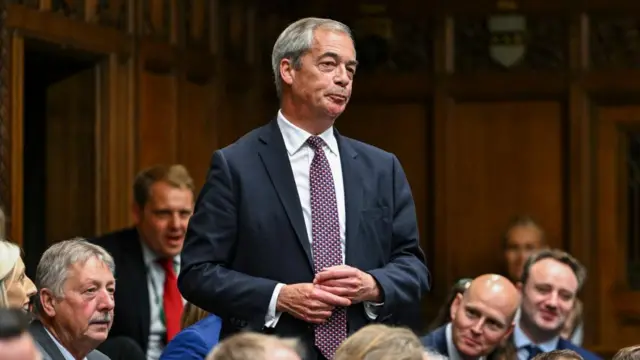
Nigel Farage, leader of Reform UK, says he doesn’t support lowering the voting age to 16 “even though we get lots of votes”.
Speaking to ITV News, Farage says someone shouldn’t be able to vote in an election unless they’re able to stand as a candidate. A candidate must be at least 18 to stand for election.
“I’m really encouraged by the number of young people that are coming towards us,” he adds.
Voting at 16 was nerve wracking, but empowering
Unlike most of my colleagues in the BBC newsroom sitting next to me, I have the perspective of voting at 16, as I grew up in Scotland.
I voted in my first Scottish parliamentary election in 2016, a year after they changed the law to lower the age.
It’s one of the few countries in the world that has the lower age for voting, along with Wales, Argentina and Belgium, to name a few.
I remember the nervousness of holding my ballot paper and walking into the village hall, asking my mum for help on what to do and where to go.
But, it was exciting too. I could put my thoughts somewhere to try and make a difference, to be taken seriously.
School was fun – we discussed politics among ourselves, something I’m not sure we had really done before outside of the classroom.
Not everybody voted, but a lot of us did.
And it taught me from a younger age to learn about the people in charge, and to take it seriously.
What other measures are being introduced?
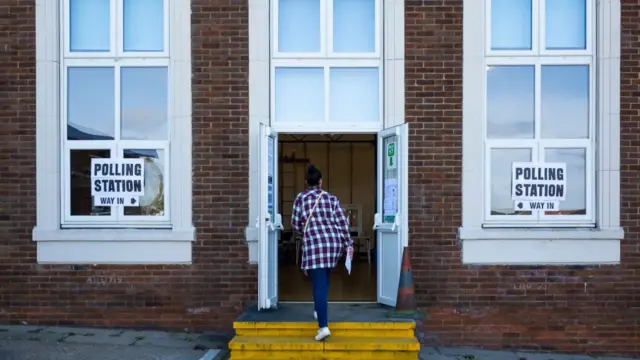
As well as lowering the voting age to 16, the government is also planning a host of other changes to the electoral system as part of a new Elections Bill.
These include expanding forms of voter ID to include UK- issued bank cards which display the voter’s name.
Some 4% of people who did not vote at last year’s general election said this was because of voter ID rules, according to the Electoral Commission.
Democracy Minister Rushanara Ali said the government would ensure this was done gradually “to make sure there aren’t any risks of abuses or things going wrong”.
The changes also include moving towards automatic voter registration, and tightening rules on political donations to protect against foreign interference.
Currently political parties can only accept donations from individuals registered on a UK electoral register or UK-registered companies which carry out business in the country.
However, there have been concerns that foreign nationals could get around the rules by donating through a foreign company that is registered in the UK.
No chance for Parliament to scrutinise changes until September, Tory MP says
Tory MP Paul Holmes has hit back at the government’s announcement while speaking in the Commons this morning.
“There will be no opportunity for parliamentary scrutiny until September due to the recess,” Holmes says.
He also asks the democracy minister why the policy was not announced in the Commons.
Rushanara Ali reiterates Labour ran on a manifesto which pledged to give voting rights to 16 and 17-year-olds, adding: “The truth is young people deserve to have a stake.”
Starmer: If you ‘pay in’ you should get a say on how your money is spent
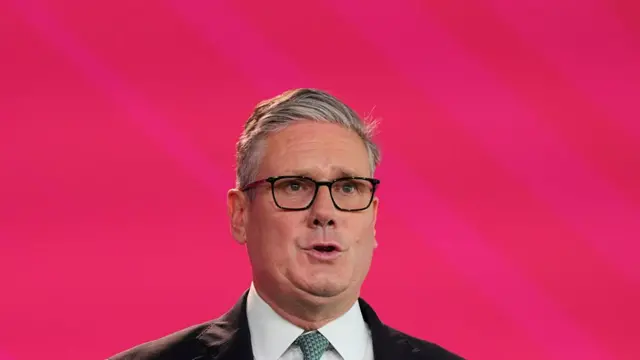
Prime Minister Keir Starmer says lowering the voting age to 16 across the UK will give young people a chance to have their say on what their taxes are used for.
“I think it’s really important that 16 and 17-year-olds have the vote, because they are old enough to go out to work, they are old enough to pay taxes, so pay in,” he tells ITV News.
“And I think if you pay in, you should have the opportunity to say what you want your money spent on, which way the government should go.”
Voter ID to be extended to UK bank cards under plans
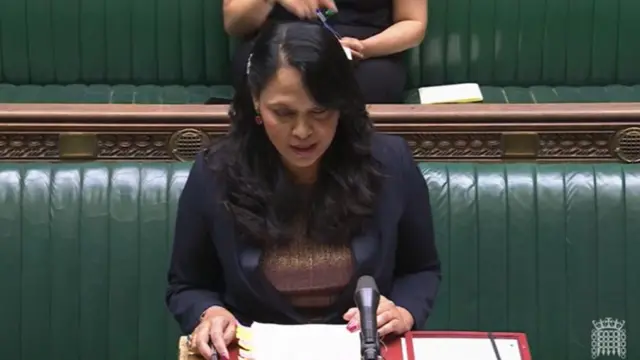
More now from Democracy Minister Rushanara Ali, who confirms the government is planning to lower the voting age to 16 in time for the next general election.
This is due to take place by 2029, but could be called earlier.
“At 16, a young person can work, they pay taxes, they can join the Army. So there’s no reason why from that age, they shouldn’t have a say in who governs our country,” she says.
Other changes announced today include expanding forms of voter ID to include UK-issued bank cards, moving towards automatic voter registration and tightening rules on political donations to protect against foreign interference.
We’ll bring you more details on those changes shortly.
Biggest change to the electorate since 1969
A pledge to lower the voting age to 16 was included in Labour’s election manifesto but it did not feature in last summer’s King’s Speech, which sets out the government’s priorities for the months ahead.
The minimum voting age is already 16 for local council elections in Scotland and Wales and elections to the Senedd and Scottish Parliament.
However for other elections, including to the UK Parliament, local elections in England and all elections in Northern Ireland, it is 18.
Lowering the voting age to 16 across the UK would be the biggest change to the electorate since it was reduced from 21 to 18 in 1969.
Voting age to be lowered to 16 by next general election
Around 1.5 million 16 and 17-year-olds will be able to vote at the next general election, under government plans to lower the voting age.
Democracy Minister Rushanara Ali tells the BBC the “seismic” change will ensure young people’s voices are heard.
She confirms the pledge will be part of a raft of measures introduced through a new Elections Bill.
We’ll bring you live updates, analysis and reaction, so stay with us.