
Mazzaltov World News provides you with the latest live coverage of Current Affairs, Sports, Health, Weather, Entertainment, Business and Travel News from around the world.
Here’s where things stand on Monday 7 July 2025:
- Erin Patterson is found guilty of murdering three of her relatives, and attempting to murder another, at a lunch in 2023
- The 50-year-old cooked and served six beef Wellingtons at her home in Leongatha, regional Victoria – they were later found to contain death cap mushrooms
- Patterson’s in-laws Don and Gail Patterson, and Gail’s sister Heather Wilkinson, died within days –this graphic shows who else attended the meal
- The prosecution argued Patterson knowingly put the toxic mushrooms in the home-cooked lunch, lied to police and disposed of evidence – they also acknowledged she had no particular motive
- Patterson’s defence was that she accidentally included the poisonous fungi and lied because she panicked – here’s what else she said while giving evidence
- After listening to more than two months of evidence, the jury didn’t believe her and attention now turns to sentencing.
Orange plate and orange cake – the evidence the jury heard
Erin Patterson has said the deaths were a tragic accident. But over nine weeks, the jury heard evidence suggesting this was a case of murder – and decided so today.
Here are some of the key details the jury heard.
An orange plate
Ian Wilkinson, who ate the meal but survived, recalled watching Patterson serve the food – five separate beef Wellingtons onto four grey plates – and an orange one for herself. His wife Heather, who died, had commented on this, according to a witness, saying: “I’ve puzzled about it since lunch… Is Erin short of crockery?”
Patterson had no traces of death cap mushroom poisoning.
In a police interview, detectives asked her: “We’re trying to understand why you’re not that ill.”
An orange cake
But Patterson had her explanation – she ate too much cake.
“I ate another piece of cake, and then another piece,” she said, and before she knew it, the cake was gone and she felt overfull.
“So I went to the toilet and brought it back up again,” Erin told the trial. “After I’d done that, I felt better.”
Red flags
There was also the question of where the mushrooms came from.
Patterson claimed some were bought dried from an Asian grocery store in Melbourne, but she couldn’t say which suburb, the brand, or provide proof of the purchase.
Later, after photos showing what looked like death cap mushrooms being weighed on kitchen scales emerged as evidence, Patterson admitted that she was lying, saying she was “scared”.
No clear motive
Despite this, the prosecution did not present a specific motive, which was key to her defence.
However, in the end, this did not stop the jury from finding Patterson guilty today.
Various exhibits released by the court

A trove of about 100 exhibits shown to the jury have been released after Erin Patterson’s verdict.
The judge has chosen not to release all of the exhibits – mainly keeping concealed those which features or make reference to Patterson’s children. But what we do have gives a sense of the scope of what has been gathered in the course of this investigation and put to the jury by both the prosecution and defence.
Exhibits include CCTV footage of Patterson discharging herself form hospital against medical advice, and of a medic examining leftovers of the meal which police found in Patterson’s bin.
There are also still images of Patterson dumping a food dehydrator at her local tip days after the lunch, which police found had traces of death cap mushrooms on it. She initially lied to police about owning this appliance, despite its manual being found in her kitchen drawer. The receipt for the purchase is also an exhibit – the jury heard that a shop assistant came forward after Patterson’s arrest, having remembered the sale.
Another exhibits is quite poignant and tragic – an entry from Heather Wilkinson’s diary on 29 July 2023, which reads: “Erin’s for Lunch”.

Erin Patterson has 28 days to appeal
Erin Patterson’s time in court may not be over – she can still appeal the guilty verdict, and has 28 days, from the date of her sentencing, to start that process.
Her legal team can either appeal the guilty verdict itself, the sentence handed down or both.
So this means that reporting restrictions are still in place, as under Australian law, media reporting of any trial is restricted to information that has been presented to the jury.
Reporting anything that was not presented to the jury, even if it is publicly known, can be considered contempt of court and may lead to legal repercussions for the media outlet and journalist.
Police ask for privacy of victims’ families to be respected
Speaking briefly to media outside the courtroom, Detective Inspector Dean Thomas, from Victoria Police Homicide Squad, thanked the officers and prosecutors who had worked on the case.
“It’s very important that we remember that three people have died, and we’ve had a person that nearly died and was seriously injured as a result.
“I ask that we acknowledge those people and not forget them.”
He added that the Patterson and Wilkinson families – who were not in court to hear the verdict – have asked for privacy and that their wishes be respected.
‘What is the motive?’
While Patterson has been found guilty of cooking the deadly mushroom lunch that killed three of her relatives and left another seriously ill, the motive is still unclear. There may simply be none.
“You might be wondering, ‘What is the motive?'” said prosecutor Nanette Rogers SC when she spoke to the jury in the trial back in April.
“You might still be wondering this at the end of this trial,” she added.
The prosecution did not suggest a specific motive, with Rogers telling the jury “You do not have to be satisfied what the motive was, or even that there was one”.
Despite this, Rogers said the jury should have “no difficulty” in rejecting the argument that “this was all a horrible foraging accident”.
The defence had argued the lack of motive was key, claiming Patterson had no reason to kill her guests.
Locals hope verdict will give sense of closure
This crime left the local Gippsland region reeling.
The victims have been characterised as pillars of their communities, loved by many.
David Peters didn’t know them, but was so touched by their case he travelled to Morwell to sit in court many times over the past 10 weeks.
He says the local community – particularly those personally touched by the crime – would be relieved by today’s verdicts.
“Overall, I think that most people in the community would agree with the result today,” he said.
Mr Peters added that his thoughts were with the families of those who died, who were not in court today.
“I hope they will have a sense of closure and a sense of justice.”
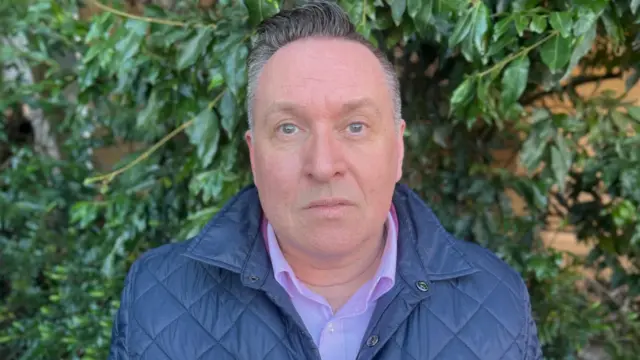
Victoria Police responds to guilty verdict
State police have issued a statement in the wake of the trial verdict.
“Our thoughts are with the respective families at this time and we acknowledge how difficult these past two years have been for them,” a spokesperson from Victoria Police said in the statement, ABC News reports.
“We will continue to support them in every way possible following this decision.”
The Patterson and Wilkinson families have asked for privacy, the statement added.
What did Patterson say on the witness stand?

Erin Patterson claimed that while preparing the beef Wellington meal she added mushrooms from a container in her pantry – which she later realised may have included both store-bought and foraged mushrooms.
She also claimed that all six individual beef Wellingtons she made were the same and that she did not intentionally put death cap mushrooms in the dish.
Patterson told the court she had suffered from bulimia for years and had made herself throw up after the meal – something her defence team said explained why she did not become as sick as the others who ate the meal.
A lie to her guests about having cancer was because she was embarrassed about plans to get weight-loss surgery, Patterson said.
And she said she didn’t tell authorities the truth about her mushroom foraging hobby because she feared they might blame her for making her relatives sick.
Beef Wellington laced with poisonous mushrooms and the trial that followed
Erin Patterson had argued it was all a terrible accident. After listening to more than two months of evidence, the jury didn’t believe her.
Patterson, 50, said she loved her in-laws and had no reason to kill them – claiming she wanted the lunch to be special.
What she served was beef Wellington cooked with death cap mushrooms: deadly fungi which prosecutors said she had sought out and picked to use as a murder weapon.
Her four guests soon fell seriously ill. Within days, three were dead.
In the days that followed Patterson tried to cover her tracks, dumping a dehydrator she used to prepare the mushrooms and keeping quiet as her relatives lay dying.
Prosecutors accused her of telling so many lies it was hard to keep track.
Patterson will have 28 days to appeal against her conviction after she is sentenced.
Who is Erin Patterson?
Erin Trudi Patterson, who turned 50 while awaiting trial, has had a varied career, including as an accountant, an air traffic controller and an animal welfare worker – where, in the early 2000s, she met Simon Patterson.
In court, Simon spoke of her as a “quite witty”, “funny” and “very intelligent” woman – and of a friendship that slowly turned romantic.
They married in 2007 and had their first of two children soon after. And though they separated in 2015, they remain married today – despite what was portrayed in court as an often fractious relationship.
Erin helped out at the church Simon attended, edited a local community newsletter and – the trial heard – joined true crime Facebook groups.
Financially, Erin told the court she was very comfortable. The jury heard of generous inheritances from her grandmother and her mother and a portfolio of properties – including the Leongatha home where she served the fateful lunch.
In another nod to Erin’s wealth, the jury also heard of cash loans to family totalling over A$1m (£483,000), with very relaxed repayment plans.
Erin told the court that at the start of 2023, she had been accepted into a bachelor of nursing and midwifery, which she’d chosen to defer for a year.
Life, however, has panned out very differently.
What’s next?published at 06:5106:51
Now that Patterson has been found guilty, she will be remanded while the prosecutors and defence make proposals on what they think her sentence should be.
The sentencing hearing will take place on a date that is yet to be set.
Patterson can also still appeal against today’s guilty verdict.
A timeline of the mushroom murders case
Erin Patterson’s triple-murder trial centres around a lunch she served at her home in Leongatha, regional Victoria, in 2023.
Here are some of the key moments of the case.
Two weeks before the lunch
- Erin invites her estranged husband Simon Patterson, his parents Don and Gail Patterson, Gail’s sister Heather Wilkinson, and Heather’s husband Ian Wilkinson – a local pastor – for a lunch on Saturday 29 July
24 hours before the lunch
- Simon cancels as he feels “too uncomfortable” given recent tensions between the estranged couple
29 July, day of the lunch
- Everyone, including Erin, eats the homemade meal and hours later, they all report feeling ill
30 July
- All four guests are admitted to hospital with severe nausea, vomiting and diarrhoea
1/2 August
- Within days of the lunch, all four guests are on life support with advanced multiple organ failure. Erin is discharged from hospital and dumps the dehydrator she used to dry wild mushrooms at a local tip
4/5 August
- Don and Gail Patterson and Heather Wilkinson all die from mushroom poisoning. Police recover the dumped food dehydrator from the local tip
22 September
- Ian Wilkinson is discharged from hospital after weeks in an induced coma
2 November
- Erin is charged with the three counts of murder and one of attempted murder. Four other attempted murder charges are dropped before her trial
Courtroom clears
The judge now clears the courtroom so Patterson can have a moment to confer with her lawyers.
It’s all over and done in ten minutes.
Judge thanks the jury
“You’ve been an exceptional jury,” Justice Christopher Beale tells the 12 jurors, before giving them a dispensation from jury service for 15 years.
Patterson remains calm and quiet
Her eyes on the jury throughout, Erin Patterson remained silent and composed as they delivered verdicts which could see her spend the rest of her life in prison.